
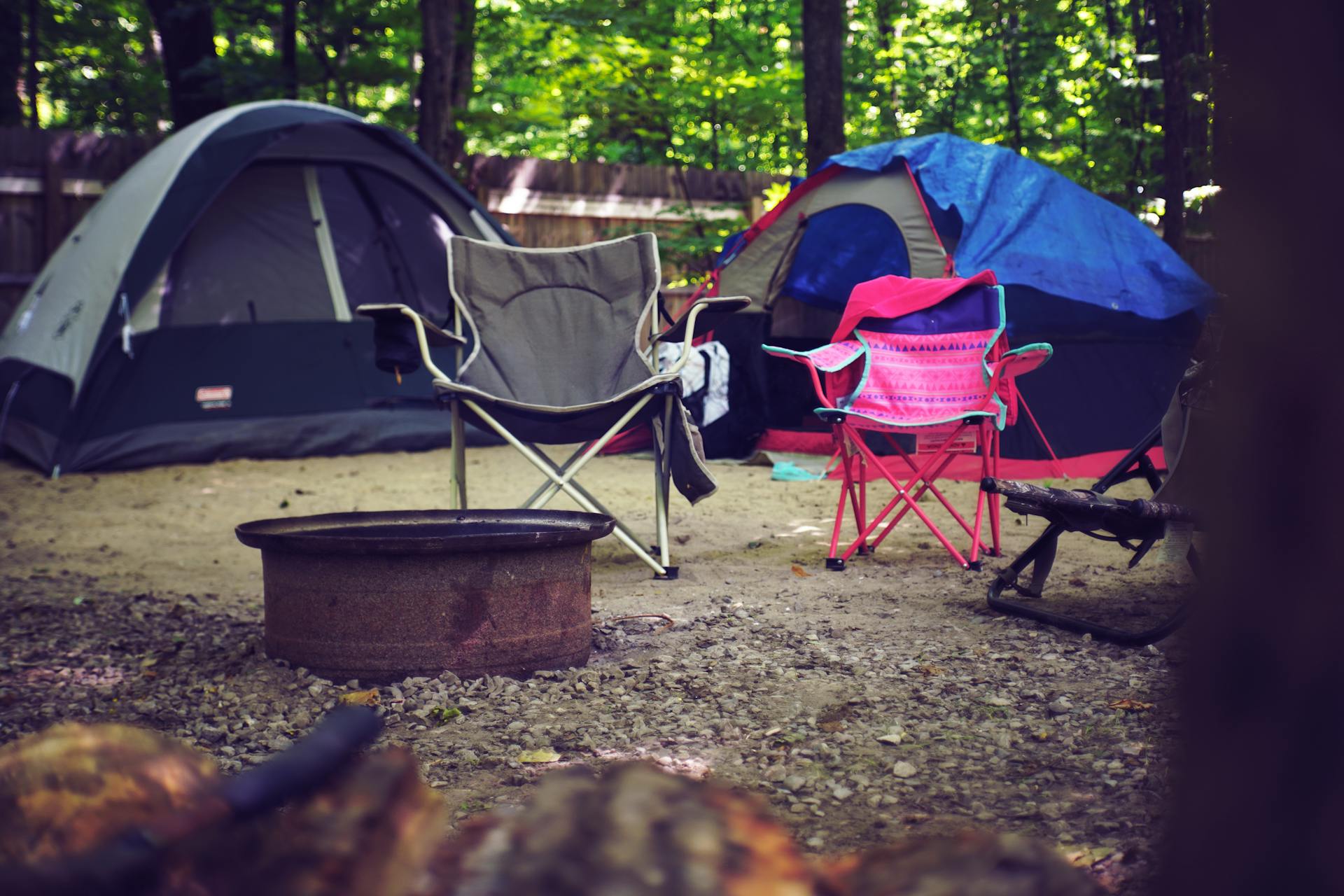

If you rely on a CPAP machine for sleep apnea, losing power, even for one night, isn’t just inconvenient. It’s a health risk. For those camping off-grid, sleeping in your RV, or prepping for emergencies, having a reliable power station that can keep your CPAP running all night is not a bad idea to figure out.
I’ve reviewed quite a few portable batteries and a few stand out as ideal for CPAP users. In this guide, I’ll break down exactly what you need, the key features to look for, and my top picks that’ll keep your CPAP powered no matter where you are.
CPAP Power Basics: What You Need to Know
Before we dive into the gear, let’s get clear on what kind of power a CPAP actually uses.
- Typical Power Draw: Most CPAP machines use 30–60 watts per hour without the humidifier. With the humidifier, that number can spike to 90+ watts.
- Overnight Usage: Assuming 8 hours of sleep, you’ll want a battery that delivers at least 250–500 watt-hours, depending on your setup.
- AC vs DC Power: Many CPAPs can run on 12V DC with the right adapter, which is far more efficient than using the inverter and going AC.
- Battery Type: Lithium iron phosphate (LiFePO4) batteries last longer and are safer than older lithium-ion packs.
- Auto Shut-Off Issue: Some power stations turn off if the power draw is low — not ideal when your CPAP cycles between active and passive. Always choose one that allows you to disable eco mode.
What to Look For in a CPAP Power Station
| Feature | Why It Matters |
| Pure sine wave inverter | Ensures safe use with sensitive electronics like CPAPs |
| >300Wh capacity | Covers a full night of CPAP use, even with humidifier |
| 12V DC output | More efficient, extends runtime |
| Quiet operation | You don’t want a fan kicking on every 10 minutes. This can get annoying. |
| Low standby drain | Some power stations lose charge even when idle |
| App control | Handy for adjusting settings or checking remaining runtime |
Best Power Stations for CPAP Use in 2025
Here are my top picks for CPAP users, whether you’re off-grid camping, prepping for blackouts, or just need peace of mind.
1. Jackery Explorer 500 Plus CPAP Power Station
If you’re looking for a no-fuss, dependable power station that can keep your CPAP running all night without any drama, the Jackery 500 Plus is a top contender. It’s ideal for campers and vanlifers who want something straightforward, quiet, and long-lasting without getting lost in fancy features.
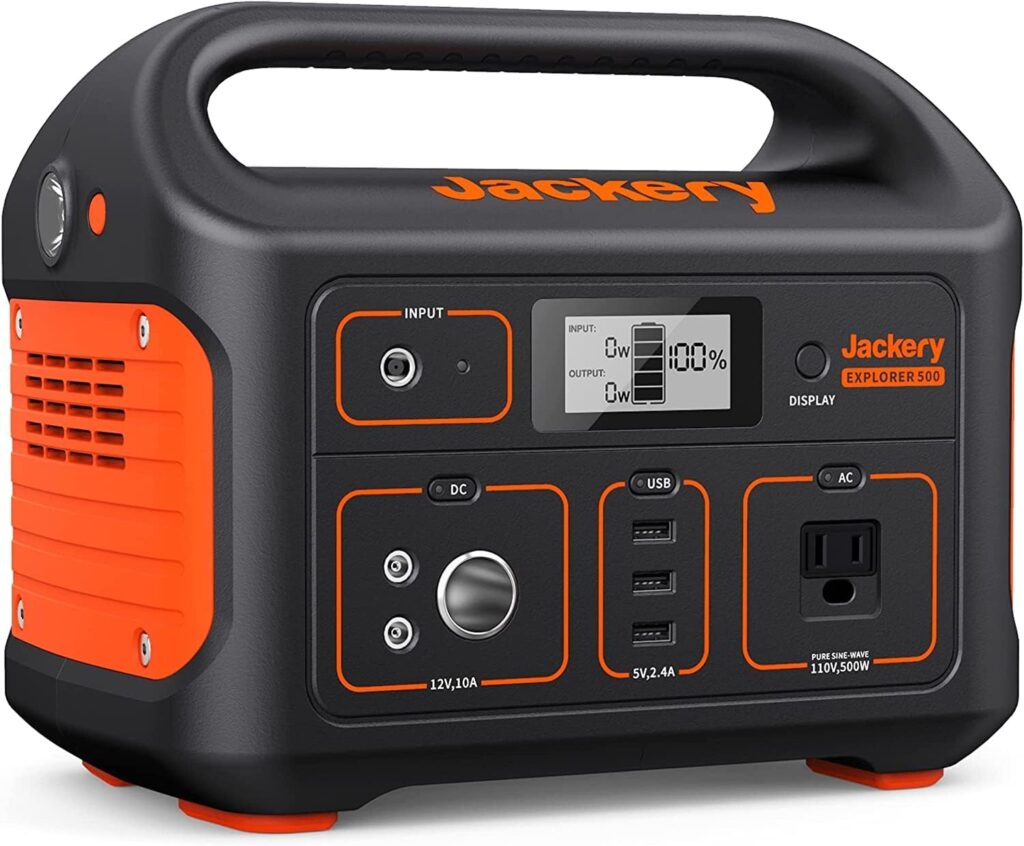
- Capacity: 518Wh
- Output: AC, 12V DC car port, USB-A/C
- Runtime: 8–10 hrs with humidifier, 16–20 hrs without
- Weight: 13.3 lbs
- Why It’s Great: Reliable, dead-simple to use, and quiet enough to sleep next to. The 500 Plus is a CPAP favorite because it just works.
Pros:
- Long overnight runtime
- Easy to use, plug-and-play
- Quiet operation
Cons:
- No app or display
- Slower to recharge
2. Bluetti EB3A for CPAP Use
If you’re on a tighter budget or want a smaller unit with smart features, the Bluetti EB3A hits a sweet spot. It’s a great choice for campers or travelers who want app control, fast charging, and just enough juice for a solid night or two of CPAP use — all without breaking the bank.
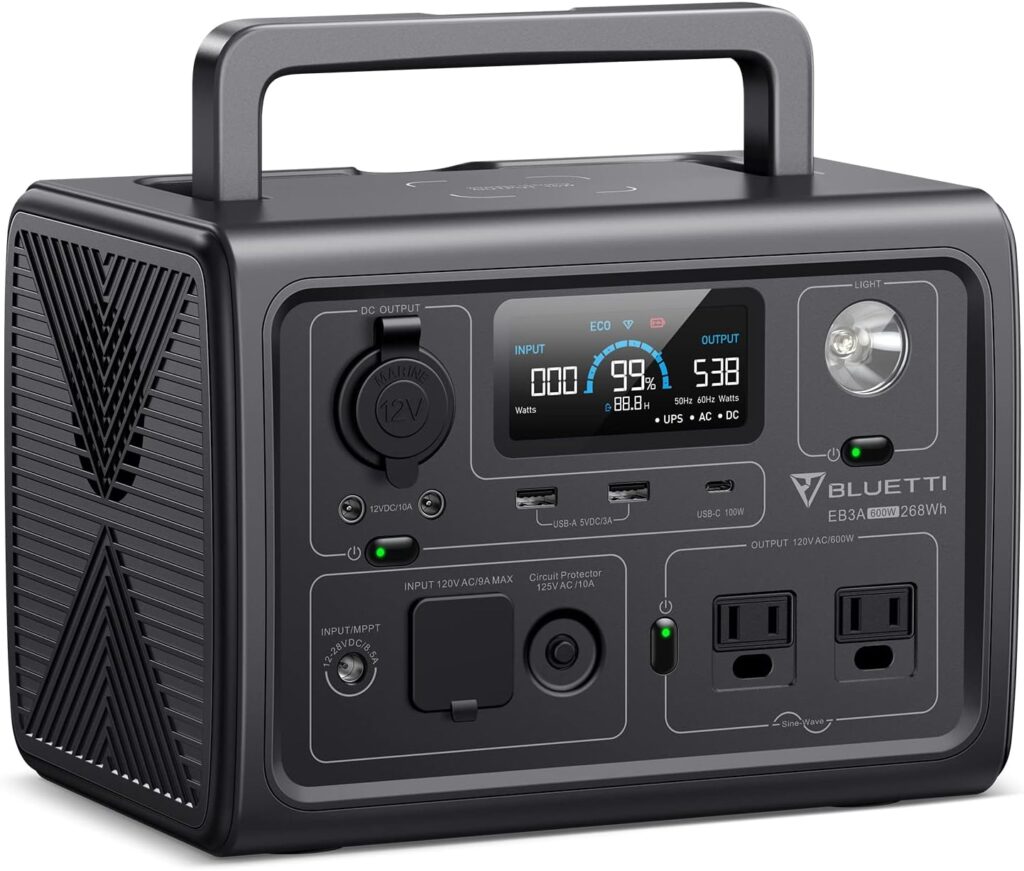
- Capacity: 268Wh
- Output: 600W AC inverter, 12V DC, USB, wireless charging
- Runtime: 4–6 hrs with humidifier, 7–9 hrs without
- Weight: 10.1 lbs
- Why It’s Great: Budget-friendly option that still hits the key features. It has a display, app, and quick recharge.
Pros:
- Compact and affordable
- Built-in display and app
- Can recharge via solar or wall in under 2 hrs
Cons:
- Lower runtime with humidifier
- Fan can be a little noisy
3. EcoFlow River 2 Max CPAP Backup
If you’re the kind of camper who hates waiting for gear to charge, or you just like having the most efficient setup in your kit, the River 2 Max is a standout. It’s perfect for tech-savvy users and frequent travelers who want fast top-ups, smart monitoring, and long-term reliability with a LiFePO4 battery.

- Capacity: 512Wh (LiFePO4)
- Output: 500W AC, USB-A/C, 12V DC
- Runtime: 7–9 hrs with humidifier, 14–18 hrs without
- Weight: 13.2 lbs
- Why It’s Great: Charges insanely fast (0–100% in 60 minutes). The app and display are excellent, and it’s very efficient.
Pros:
- Fastest recharge on the market
- LFP battery = longer lifespan
- Quiet fans
Cons:
- App may be overkill for simple users
- A bit pricey
4. Anker 521 PowerHouse
If your power needs are light and you want something compact for short trips, the Anker 521 is a smart choice. It’s perfect for minimalist campers, weekend warriors, or anyone who doesn’t need to run a humidifier all night but still wants solid backup for CPAP use.
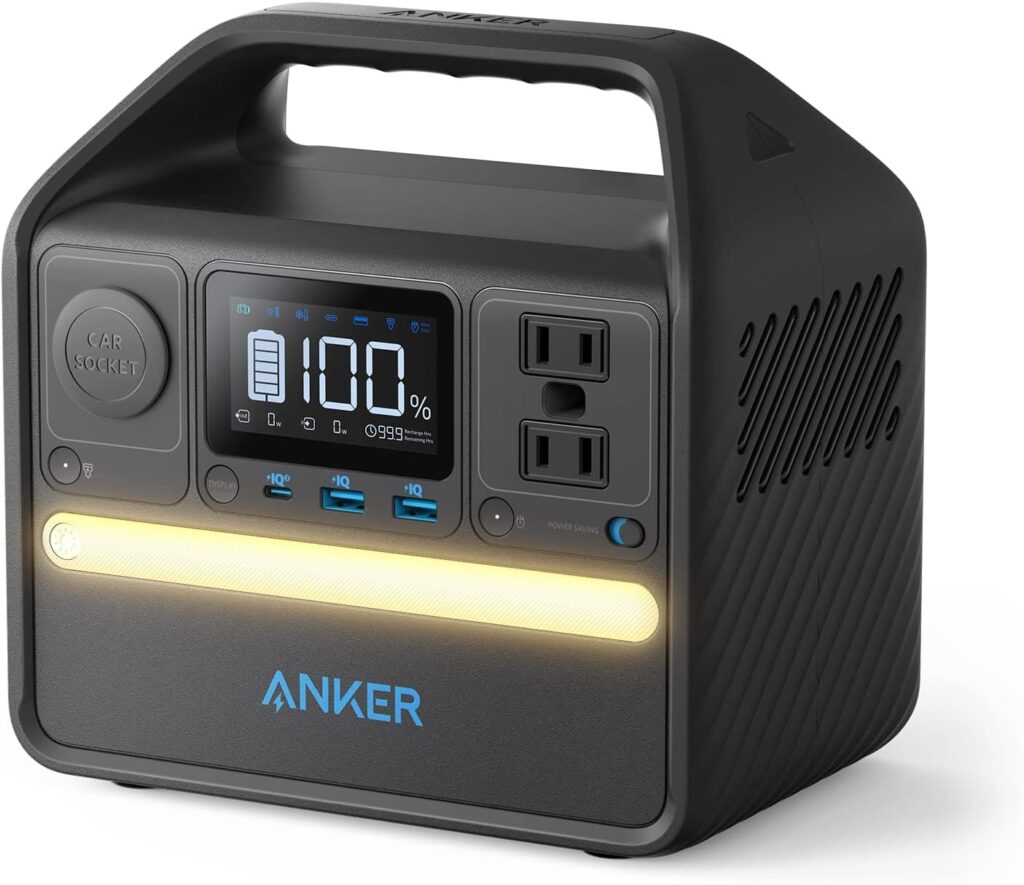
- Capacity: 256Wh (LiFePO4)
- Output: 200W AC, USB-A/C (no 12V car port)
- Runtime: 4–5 hrs with humidifier, 6–10 hrs without
- Weight: 8.2 lbs
- Why It’s Great: Super compact, well-built, and ideal for weekend trips without humidifier. Very quiet.
| Pros: | Cons: |
| Very portable | No 12V car port |
| Long cycle lift | Lower runtime overall |
| Silent Fans |
Big Winner: Anker SOLIX C1000 (CPAP Overkill Edition)
If you’re looking for the ultimate peace of mind during extended trips or emergencies, this is the one to beat. It’s ideal for serious off-gridders, RV dwellers, or preppers who want to run a CPAP (and more) for multiple nights without recharging.

- Capacity: 1056Wh (LiFePO4)
- Output: 1800W AC inverter, 12V DC, USB-C, solar input
- Runtime: 15–20 hrs with humidifier, 30–40 hrs without
- Weight: 28.4 lbs
- Why It’s Great: The C1000 packs a ton of power into a much more portable form factor than larger units. It’s ideal for those who want extended runtime without hauling around 60+ lbs of gear.
Pros:
- Enough juice for multiple nights
- Excellent mobile app and smart screen
- High-speed solar + AC recharge
Cons:
- Heavy (not very portable)
- Premium price point
How Long Will a Power Station Run a CPAP Machine?
The runtime depends on battery size, whether you’re using the humidifier, and if you’re running it through DC or AC. Here’s a quick comparison of real-world estimates:
CPAP Runtime Comparison Table
| Power Station | Capacity | Humidifier ON | Humidifier OFF | 12V Output | Buy on Amazon |
| Jackery 500 Plus | 518Wh | 8–10 hrs | 16–20 hrs | Yes | Link |
| Bluetti EB3A | 268Wh | 4–6 hrs | 7–9 hrs | Yes | Link |
| EcoFlow River 2 Max | 512Wh | 7–9 hrs | 14–18 hrs | Yes | Link |
| Anker 521 PowerHouse | 256Wh | 4–5 hrs | 6–10 hrs | No | Link |
| Anker SOLIX C1000 | 1056Wh | 15–20 hrs | 30–40 hrs | Yes | Link |
Can You Use a CPAP with a Portable Power Station?
Yes, but not all setups are equal. Ideally, you’ll want a unit with a pure sine wave inverter and a 12V DC output. Many CPAP machines also have proprietary DC adapters that allow you to skip the inverter entirely, which saves battery life. Make sure to disable auto shut-off features that could stop your CPAP mid-sleep.
CPAP Power Tips: Avoid These Mistakes
- Using AC only: Always use a 12V DC adapter if your CPAP supports it, you’ll get way more runtime.
- Forgetting to disable humidifier: The heater draws a lot more power. Disabling it can double your runtime.
- Not testing the setup: Always test your CPAP + battery combo before heading off-grid.
- Choosing the wrong auto shut-off setting: Make sure your power station doesn’t cut off power with low draw.
Best Power Station for CPAP Without Humidifier
If you run your CPAP without the humidifier, you’ll dramatically extend your runtime, sometimes doubling it. Models like the Anker 521 or Bluetti EB3A are great for this kind of setup and are much lighter to carry.
How to Use a CPAP with a Jackery or Bluetti Battery
Both Jackery and Bluetti models work well for CPAPs, but here’s how to get the most out of them:
- Use the 12V DC output if your CPAP supports it
- Disable the humidifier to save power
- Check for low-watt auto shut-off and turn it off in settings (if available)
CPAP Power Station Accessories
- DC Adapter for Your CPAP: Match your machine brand (ResMed, Philips, etc.) for best efficiency
- 100W Folding Solar Panel: Keeps your station charged during longer camping trips
- 12V Extension Cord: Let’s you sleep in your tent or cab with the battery outside. Just make sure it isn’t going to rain on your expensive power station.
Best Backup Power for CPAP During Power Outages
If you’re not camping but need a power station for emergencies at home, go for a unit with enough capacity for at least 2–3 nights. The Anker SOLIX C1000 or Jackery 500 Plus offer peace of mind during grid failures and can be recharged by solar if needed.
Final Thoughts from the Road
I’ve camped with CPAP users in everything from Walmart parking lots to remote desert washes. When you’re miles from a plug, peace of mind matters more than anything — and that’s what the right power station gives you.
Whether you need a lightweight weekend option or a multi-day powerhouse, I hope this guide helped narrow down the best fit for your sleep and travel style.
👉 Was this helpful? Click the links above to check prices and specs on Amazon.


