
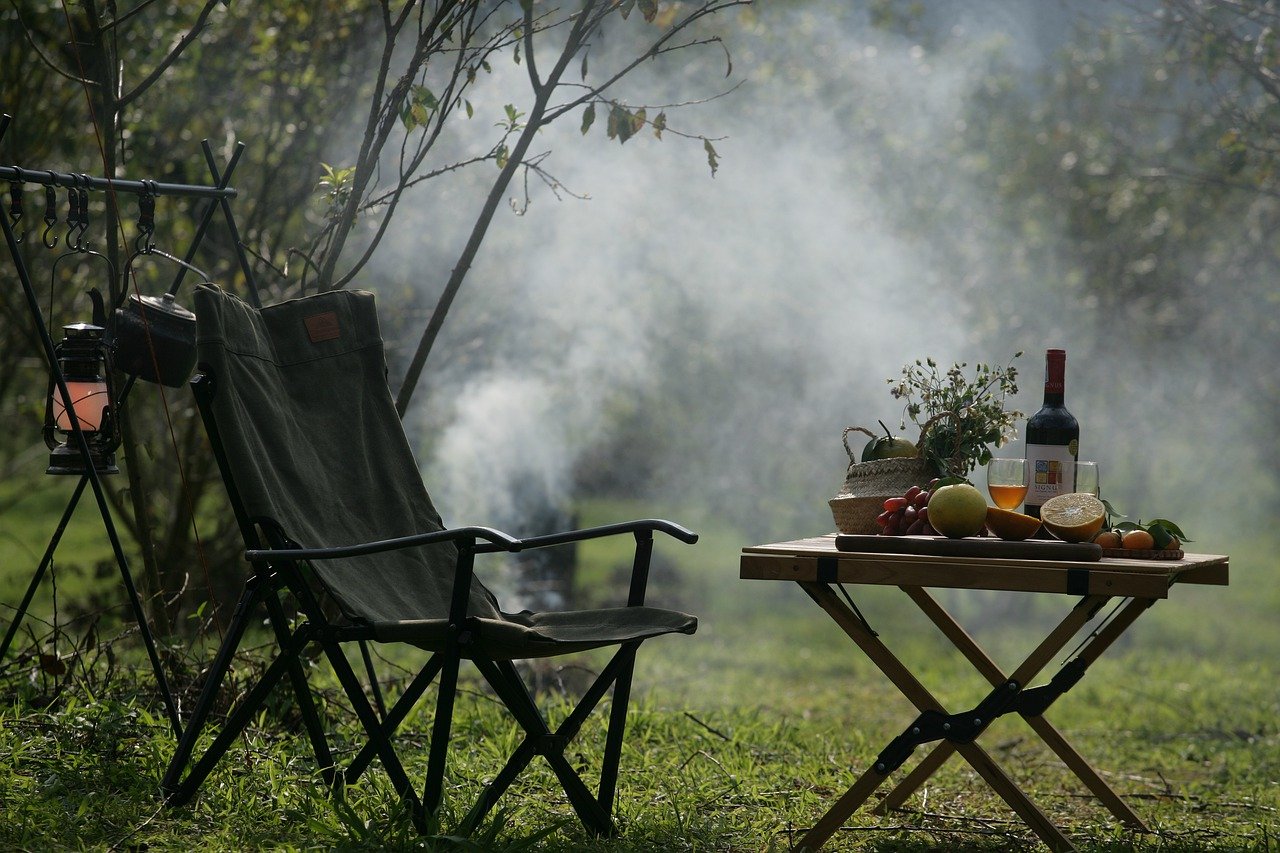

When people think about vanlife or off-grid living, they usually imagine something out of a cinematic drone reel, a converted Sprinter parked on the edge of a canyon, solar panels gleaming, morning coffee in hand. And to be fair, those moments do happen.
But what you don’t see in that perfect shot? The 14 app tabs open on your phone trying to find a legal place to sleep. Or the pit in your stomach when your power station drops to 3% and you still have a Zoom call at 4pm.
After more than five years living off-grid, mostly in a self-converted van, often boondocking far from towns — I’ve come to love this lifestyle. But I’ve also come to respect it. Because the truth is, it’s not always easy.
Here are the 5 hardest parts of off-grid living that don’t make it to Instagram — and what I’ve learned from each one.
1. Power Anxiety Is Real (And It Can Rule Your Day)
When you’re off-grid, there’s no backup socket to plug into. Every watt counts. And unless you’ve overbuilt your system or have endless sun, you’ll think about your battery levels way more than you’d expect.
I’ve had days where my entire schedule was dictated by my power station’s charge. I’ve skipped hikes to chase solar. I’ve driven 30 miles just to top off a battery while running errands. I’ve rationed laptop time, skipped meals that required cooking, and powered down my router mid-project to stretch 20% a little further.
“Power management becomes less about the gear and more about the mental bandwidth it takes to constantly monitor, adjust, and compromise.”
2. Finding Campsites Isn’t Always Serene or Simple
One of the biggest misconceptions about vanlife is that you’ll always find a picture-perfect spot to call home. But in reality? Finding a legal, quiet, flat, and safe campsite with decent sun and cell service can be a daily puzzle, especially if you move often.
Some nights you get lucky. Other times you spend an hour scouting forest roads with washboard bumps and no turnarounds. Or you land at a spot that looked perfect… until a party crew rolls in next door or a generator kicks on at 11pm.
There’s also the constant math of:
- Do I have enough sun here?
- Will I get a signal in the morning for work?
- Am I within legal time limits?
- Is this safe for solo camping?
That decision fatigue wears on you, even if you love the freedom.
“At a certain point, you’re not chasing the most beautiful spot, you’re just chasing the one that checks enough boxes to let you sleep in peace.”
If you haven’t read it yet, check out How to Find Free Campsites That Don’t Suck, it breaks down everything I’ve learned from years of trial and error.
3. Chasing Cell Signal Is a Daily Grind
This one’s especially brutal if you work remotely like I do. Every day starts with a question: “Do I have enough bars to do my job today?”
Even with a hotspot, router, or cell booster (and I’ve tried them all), you’re still beholden to the towers — or lack thereof. Some of my most beautiful campsites had zero usable signal. Others were fine during the day, then totally throttled at night when everyone else jumped online.
This leads to some weird habits:
- Parking on ridgelines just for upload speeds
- Running speed tests before deciding where to sleep
- Downloading work files in gas station parking lots
- Bailing early from a killer campsite just to answer emails
“Your campsite isn’t always chosen for views — sometimes it’s chosen for ping.”
If reliable internet is a dealbreaker, I’ve got a post coming soon about my full off-grid work setup and how I balance solar, routers, and remote job logistics.
4. You’re Always Doing Logistics
When you live off-grid, your mind becomes a revolving checklist:
- Where’s water?
- Do I need groceries?
- Am I low on propane?
- Where can I dump trash?
- Is my power station full enough for tomorrow?
That background mental load is low-key exhausting. There’s no autopilot. Even basic things, like doing laundry, take planning and sometimes a detour.
And it’s not just errands. It’s also…
- Watching weather forecasts for solar or storm prep
- Tracking mileage so you don’t miss oil changes
- Scheduling rest days when you can “reset” the van
“Living off-grid is freedom, but it’s not free from responsibility. If you don’t stay ahead of the little stuff, it piles up fast.”
5. Isolation Is Real and So Is Burnout
I love solitude. It’s part of why I live this way. But extended time off-grid can mess with your head, especially if you’re solo or working long hours.
There are stretches where I go days without real conversation. Where I second-guess everything — from my route to my career to whether I should just plug into a KOA and watch Netflix like a normal person.
And when burnout hits, it hits hard. There’s no familiar couch to retreat to. No friends around the corner. Just you, a dirt road, and a to-do list that isn’t going to finish itself.
What helps:
- Routines. Like daily walks, journaling, or structured work hours.
- Check-ins. Calling friends or jumping into online community spaces.
- Movement. Even just relocating camp can help shift the vibe.
- Lowering expectations. Some days, surviving the logistics is the win.
Final Thoughts: Would I Still Choose This Life?
Yes. A thousand times yes. Even with all of the above, the power stress, the signal scavenging, the endless logistics, I wouldn’t trade this life for anything.
Because the flip side is freedom. It’s sunsets with no one else around. It’s making coffee beside a canyon. It’s learning to be okay with uncertainty, and becoming more capable than you thought you could be.
But I want to be real about what it takes. Off-grid living isn’t an escape from life. It’s an invitation to engage with it more fully, mess and all.


