
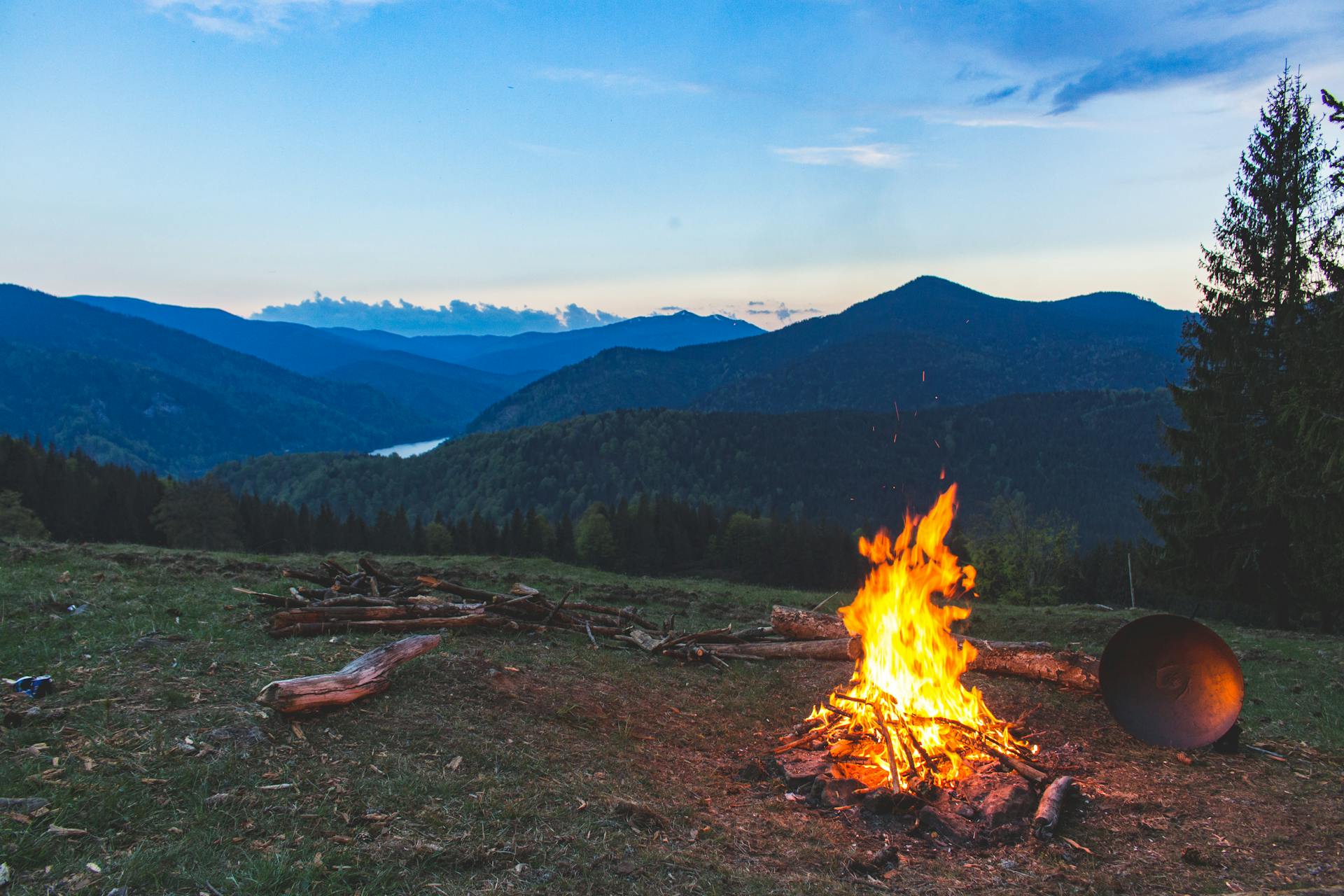

Whether you’re heading out for a weekend in the woods or building a longer off-grid setup, having the right portable power setup can make or break your camping trip. From keeping your phone charged and lights on to powering coolers, laptops, drones, and even a blender, portable power stations are now the go-to choice for reliable, silent power at the campsite….even though many gas generators are super quiet.
I’ve been using battery-based setups for years across deserts, forests, and campgrounds — and in this guide, I’ll walk you through everything I wish I’d known starting out. We’ll cover how much power you really need, which gear is beginner-friendly, and how to stay powered up without relying on noisy generators.
How Much Power Do You Actually Need for Camping?
Let’s kick things off with a basic truth: you don’t need a giant battery to camp comfortably. But you do need to size your setup based on what you’re actually running, not just what looks good on Amazon.
Here’s a breakdown of common camping electronics and how much power they use:
| Device | Watts Used | Daily Use (Hours) | Daily Wh Needed |
| LED Lantern | 5W | 4 hrs | 20Wh |
| USB Fan | 10W | 6 hrs | 60Wh |
| Smartphone (charging) | 10W | 1.5 hrs | 15Wh |
| 12V Electric Cooler | 50W avg | 8 hrs | 400Wh |
| Laptop | 60W | 2 hrs | 120Wh |
| Drone Battery Charging | 60W | 1 hr | 60Wh |
| Blender (brief use) | 300W | 5 min | 25Wh |
🛠 Rule of Thumb: Multiply watts × hours = watt-hours (Wh). This is how batteries are rated.
How to Choose the Right Size Power Station for Your Camping Style
Power stations come in all shapes and sizes, from palm-sized 150Wh packs to 2000Wh+ beasts meant for RVs. Here’s a quick cheat sheet based on your trip style:
| Power Station Size | Best For | Typical Use Examples |
| 200–300Wh | Weekend car camping, minimal use | Lights, phones, small fan |
| 500–700Wh | Extended weekends, cooler/laptop | 12V fridge, laptop, lights, camera, phone |
| 1000–1500Wh | 3–5 day basecamp or multi-use | All of the above + projector, drone, induction cooktop |
Keep in mind:
- A 500Wh station is enough to power a fridge overnight with some extra headroom.
- A 1000Wh+ model is ideal if you need multi-day autonomy without recharging.
Also: watch inverter wattage — a 300W inverter can’t run a blender or induction stove. Know your peak draw.
Why a Portable Power Station Is Better Than a Generator for Camping
You might be wondering: why not just bring a gas generator? After all, they’re cheaper per watt… right?
Let’s compare:
| Feature | Portable Power Station | Gas Generator |
| Noise Level | Silent | Loud (60–80dB+) |
| Campground Friendly | ✅ Allowed almost everywhere | ❌ Often banned |
| Emissions | None | CO2 + potential fire risk |
| Maintenance | Minimal | Fuel, oil, noise, upkeep |
| Solar Compatible | ✅ Plug-and-play | ❌ Not applicable |
| Weight | 7–30 lbs (typical) | 40–100 lbs |
If you’re camping in national parks, forest campgrounds, or near other people, a gas generator is (sometimes) more hassle than it’s worth. Power stations are safer, quieter, and better suited to modern camping.
Best Portable Power Stations for Beginners (2025)
Here are my top picks for beginner-friendly, reliable, and easy-to-use camping batteries this year:
| Model | Capacity | Solar Input | Ports | Weight | Best For |
| Jackery Explorer 300 Plus | 288Wh | 100W | 2x USB-C, 1x AC | 8.3 lbs | Weekenders + lights/phones |
| Bluetti EB3A | 268Wh | 200W | 1x 100W USB-C, 2x AC | 10.1 lbs | Fast solar users |
| EcoFlow River 2 Max | 512Wh | 220W | 4x USB, 2x AC | 13.3 lbs | Laptop + cooler setups |
| Anker 535 | 512Wh | 120W | 4x USB, 2x AC | 16.7 lbs | High-port flexibility |
| Jackery Explorer 1000 | 1002Wh | 163W | 3x USB-A, 1x USB-C | 22 lbs | Multi-day camp + cooking gear |
Do You Need Solar Panels for Camping?
Short answer: maybe.
- Weekend trips: No solar needed — charge at home and go.
- 3+ day camping or off-grid boondocking: Solar is a smart addition.
What Size Panel Should You Get?
- 100W panel = ~60–80Wh/hr in good sun
- 200W = ~120–160Wh/hr
- Match panel size to your battery’s solar input limit (e.g., Bluetti EB3A = 200W max)
Tip: Always angle your panel toward the sun and avoid partial shade. Even a tree branch can kill output.
How to Charge Your Power Station While Camping
| Charging Method | Speed | Notes |
| AC Wall Outlet | Fastest | Always charge before your trip |
| Car DC (12V) | Medium-slow | Great for recharging while driving |
| Solar Panel | Slow (weather-dependent) | Good for daily top-offs |
| Gas Generator | Fast | Noisy, less common now |
Pro Tip: Use solar + car charging together to top off during the day and while you drive between camps.
What Can You Run with Different Power Station Sizes?
| Power Station Size | What You Can Run |
| 300Wh | LED lights, fan, phone x3, small speaker |
| 500Wh | Add electric cooler or laptop for 4–6 hrs |
| 1000Wh | Add blender, projector, drone charging, heater |
Mistakes to Avoid with Portable Power While Camping
- Overestimating solar — panels rarely hit max rating
- Buying too small — 240Wh goes quick with fridges
- Using AC for everything — DC is more efficient (coolers, fans)
- Leaving gear plugged in 24/7 — drains faster than you think
- Not checking inverter limits — not all can run appliances like blenders or projectors
Real-World Beginner Camping Setups (Examples)
Here’s what actual beginners (and growing gearheads) might run on a typical camping trip — with realistic daily power draws and product pairings to match.
Weekend Escape Kit (300–500Wh Setup)
Perfect for: Casual campers, couples, road trippers
Gear Powered:
- 2x LED string lights (20Wh)
- 2x phones charged (30Wh)
- USB fan (60Wh for 6 hours)
- Bluetooth speaker (10Wh)
- DSLR camera battery (15Wh)
Total Daily Use: ~135Wh/day
Recommended Battery:
- ✅ Jackery Explorer 300 Plus
- ✅ Bluetti EB3A
Digital Nomad Basecamp (500–700Wh Setup)
Perfect for: Remote workers, content creators, off-grid weekenders
Gear Powered:
- Laptop (MacBook Pro) ~120Wh/day
- Wi-Fi hotspot/router ~40Wh
- Drone battery charging ~60Wh
- Phone, camera, and lights ~60Wh
- Fan or USB-powered cooler (100Wh)
Total Daily Use: ~380Wh/day
Recommended Battery:
- ✅ EcoFlow River 2 Max
- ✅ Anker 535
Off-Grid Cooking & Chill Setup (1000–1500Wh Setup)
Perfect for: Foodie campers, overlanders, small families
Gear Powered:
- Small blender (300W x 5 mins) ~25Wh
- Portable induction cooktop ~200Wh
- Electric cooler/fridge ~400Wh/day
- Lighting, fan, phone, camera charging ~100Wh
Total Daily Use: ~700–800Wh/day
Recommended Battery:
- ✅ Bluetti AC180
- ✅ Jackery Explorer 1000 Plus
Cold Weather Weekend Warrior (800–1200Wh Setup)
Perfect for: Fall/winter car campers, shoulder season setups
Gear Powered:
- Heated blanket (60W x 6 hrs) ~300Wh
- Electric kettle ~50Wh
- Lights + phones ~50Wh
- Power bank top-off ~20Wh
Total Daily Use: ~420–500Wh
Recommended Battery:
- ✅ EcoFlow Delta 2
- ✅ Anker SOLIX F1200
Movie Night & Chill Setup (500–1000Wh Setup)
Perfect for: Families, couples, and fun-first campers
Gear Powered:
- Projector (80W x 2.5 hrs) ~200Wh
- Bluetooth speaker ~30Wh
- Popcorn air popper ~150Wh
- Lighting, phones, and fan ~100Wh
Total Daily Use: ~500–600Wh
Recommended Battery:
✅ Bluetti EB70S
✅ Jackery Explorer 1000
Accessories to Make Your Power Setup Easier
- ✅ Solar extension cables (10–20ft) for panel placement
- ✅ 12V car charging cable
- ✅ MC4 to XT60 or 8mm adapters (brand-dependent)
- ✅ Protective tote or case
- ✅ Power meter to monitor draw (e.g., Kill-a-Watt)
Final Tips for Camping with Portable Power
- Fully charge before your trip
- Keep batteries shaded on hot days
- Monitor watt usage from display or app
- Solar panels work best when tilted, not flat
- Use DC ports when possible for better efficiency
FAQ – Camping Power for Beginners
Q: How many watts do I need for camping?
A: Most casual campers use 200–500Wh/day, depending on gear.
Q: Is solar necessary?
A: Not for short trips, but helpful for 3+ day off-grid camping.
Q: Can I run a small blender or coffee maker?
A: Yes, but check the wattage. Most power stations need to be 300W+ rated to handle short bursts.
Q: What size battery runs a fridge?
A: A 12V fridge usually pulls ~400Wh/day — go with 500Wh minimum.


